Dear all! Long time, no see (I mean read), ha? Yeah, I know I have been quite short on blog posts these past two weeks - caught cold, went on a trip to Aberdeen (I will tell you about it soon), made some great professional achievements, almost finished that online course in brand management and conquered the world. :)
Now I am back, and first of all, would like to thank you sooooo much for reading me! Surprisingly, you people are coming back for more everyday and I appreciate that enormously. My special thanks to people from France (they seem to be the most active audience this week)- Merci beaucoup!
I decided to make some kind of a schedule, so that my blog will be updated quite regularly. Thus, if you want to read about some 'current issues in digital, marketing and PR' - please, check my blog on Mondays (at least). Today, and on the following Tuesdays I thought I will write pieces on the PR basics and than on Friday we will have fun discussing 'not-so-much-PRandMarketing' stuff.
Deal? Let me know what you think, and here comes the new blog post.
PR Basics. Lesson 1: Strategy and Planning
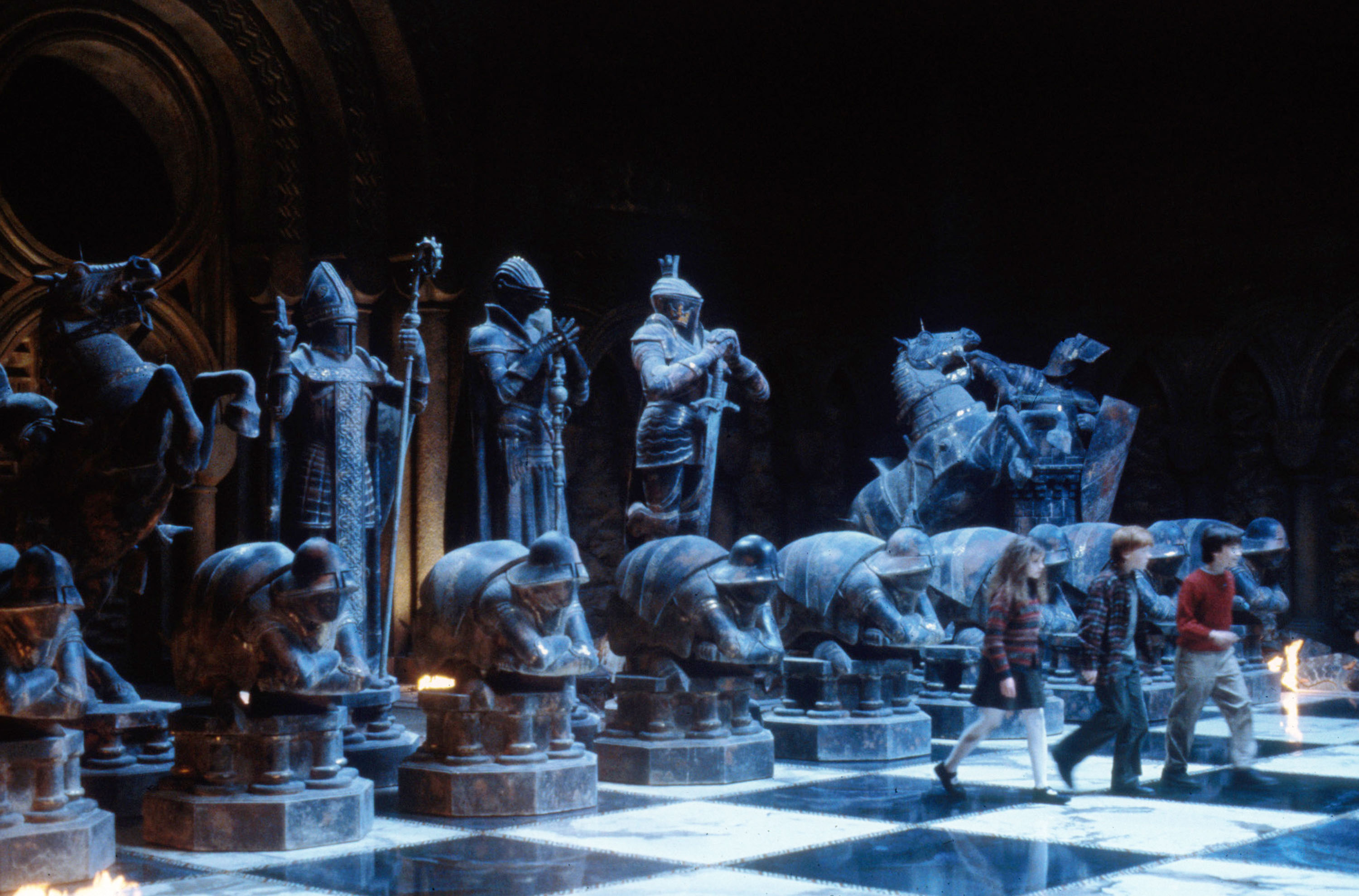
Rachel: Yeah but y’know what they say Mon, "There’s no such thing as bad press."
Monica: You don’t think that umm, (reading) "The chef’s Mahi Mahi was awful awful," is bad press?
Quote from our favourite 'Friends' (The One With The Cooking Class)
Anyway, how can the general mission of every PR campaign be described?
Let`s put it this way: there is a situation (product, service, person etc.) and people (audience) perceive it in a certain way, but we need to change this perception, so that the object will be seen as better/cheaper/fancier/smarter; and this is what PR does - changes perceptions or decreases the existing perception gap.
1. Start with research

It really is important to start with evaluating what you have and what are the expected outcomes. Interestingly, modern campaigners seem to neglect the importance of theory in their practice. The one possible explanation is that opportunistic product launches, promotions and similar actions quite often deliver great results, so more people start to believe in the magic power of chance and destiny. Still, it should be argued that nothing happens without hard work and one can only allow sudden improvisations if they are properly planned in advance. This idea is being substantially challenged with all the digital world influence, because contrary to more traditional means of communication, the Internet and social media are rather difficult to control. So the Internet involved crisis are the most difficult to manage.
What is it every PR practitioner have to remember? The following guide might seem quite obvious for real PR sharks, so I designed it for beginners. However, with all the emerged digital opportunities even professionals tend to forget the basics. So, here is a 3 step mini guide to a great campaign strategy.
Every well planned project has to start with the phase where the object of PR is scrutinised in terms of what is good and bad about it. With the earlier mentioned example it would be like: is our sandwich delicious; is it easy to cook; do we need rare and expensive ingredients for it; can we make a vegan option etc. This should provide a clear idea of how this sandwich stands out from other snacks and what can be done to make it better. Later on, the similar analysis of the environment where the sandwich is going to be promoted has to be done: what type of food do people eat at this area; do they prefer fast food or a proper table; are there any other companies making sandwiches. The research should also involve the assessment of the perception gap - whose perception do we want to change; how those people see a sandwich; how do we want them to see it; how big is this difference. In the end of the research, having understood and articulated the gap, campaign objectives can be set.
2. Set clear objectives
 This stage is as important as a previous one as it dictates the success of the results. If you do not know what you want to achieve, how will you achieve it? It is like when I go shopping without having a shopping list I end up buying all the unnecessary items (hm...actually I rarely cary a shopping list with me, so even if I know that I need a coat, a pair of shoes and a jumper quite often get to my shopping bag. So, yeah, stick to the plan!). Every marketing student knows the key to formulating excellent objectives - they just have to be:
S
|
M
|
A
|
R
|
T
|
p
|
e
|
c
|
e
|
i
|
e
|
a
|
h
|
l
|
m
|
c
|
s
|
i
|
e
|
e
|
i
|
u
|
e
|
v
|
d
|
f
|
r
|
v
|
a
| |
i
|
a
|
a
|
n
| |
c
|
b
|
b
|
t
| |
l
|
l
| |||
e
|
e
|
MEASURABLE - Size S
ACHIEVABLE - Go to H&M and stay away from AllSaints (they actually rarely sell red stuff, just so you know)
RELEVANT - Get a woollen coat and not a swimming suit, because it is +7 outside
TIMED - You need it today! (This is what clients would normally tell you even though it looks impossible)
( I just love those example with cloths and food. Feel free to send me food and T-shirts :)
In other words, clear objective have to be the ones easy to formulate, monitor and achieve. Another thing to remember about the campaign objectives is that they can be divided at least into the two categories: informational objective and motivational ones. Thus, when perception needs to be changed it can either be about wanting people to know and think something about your sandwich/jumper (awareness and attitude) or wanting them to buy and eat/wear it (behaviour). Depending on what is it you want to happen, the objectives will differ.
Levels of objectives:
Informational => Awareness
Attitude
(That`s like if you are asking you friend/boyfriend/mom etc to buy you a jumper, you should inform them what you want and why, and more importantly, convince them it is really vital for you to have that jumper) Motivational => Behaviour
3. Finish with research
 Start and finish with evaluation. This is the only way to know whether campaign goes successfully and if something can be done to improve it or to keep going. Therefore, the modern interpretation of SMART goals suggests they should be SMARTER, where E stands for evaluation and R for re-evaluation. Working on the mistakes and little victories is something that improves the quality of every process.
 (Here I could have provided you with some great comparison and more jumper/sandwich examples, but I would really appreciate if you can share your ideas of what E and R stands for in a 'jumper/sandwich scenario')
Write to you soon! =*